

ANTERIOR COMPARTMENT OF THE ARM
GENERAL INFORMATION The anterior compartment of the arm houses crucial muscles that are instrumental in flexing the elbow joint and facilitating various forearm movements. Predominantly located on the frontal aspect of the arm, these muscles play vital roles in day-to-day functions ranging from si...
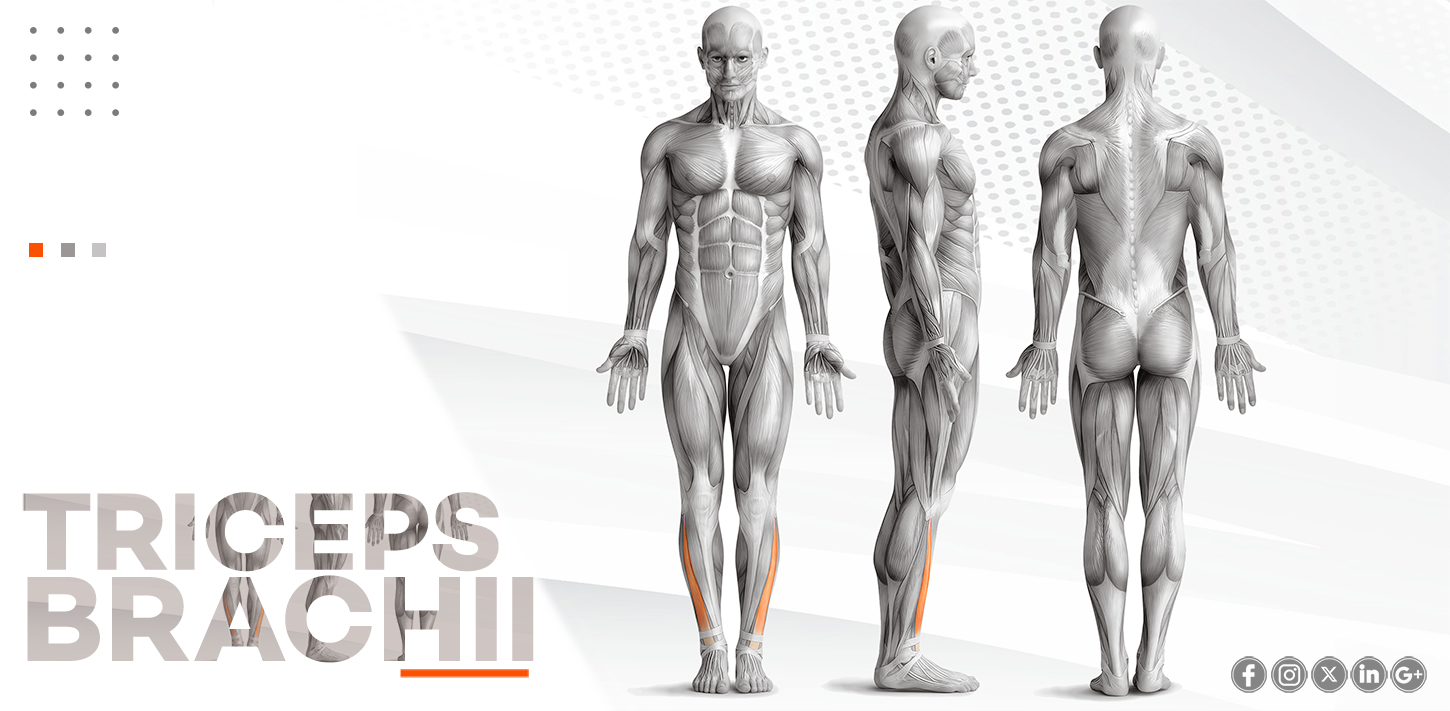
EXTENSOR DIGITORUM LONGUS
GENERAL INFORMATION The extensor digitorum longus is a muscle located in the anterior compartment of the lower limb. It plays a crucial role in extending the toes as well as assisting in the dorsiflexion of the ankle. Additionally, this muscle is pivotal in activities such as walking, running, and...
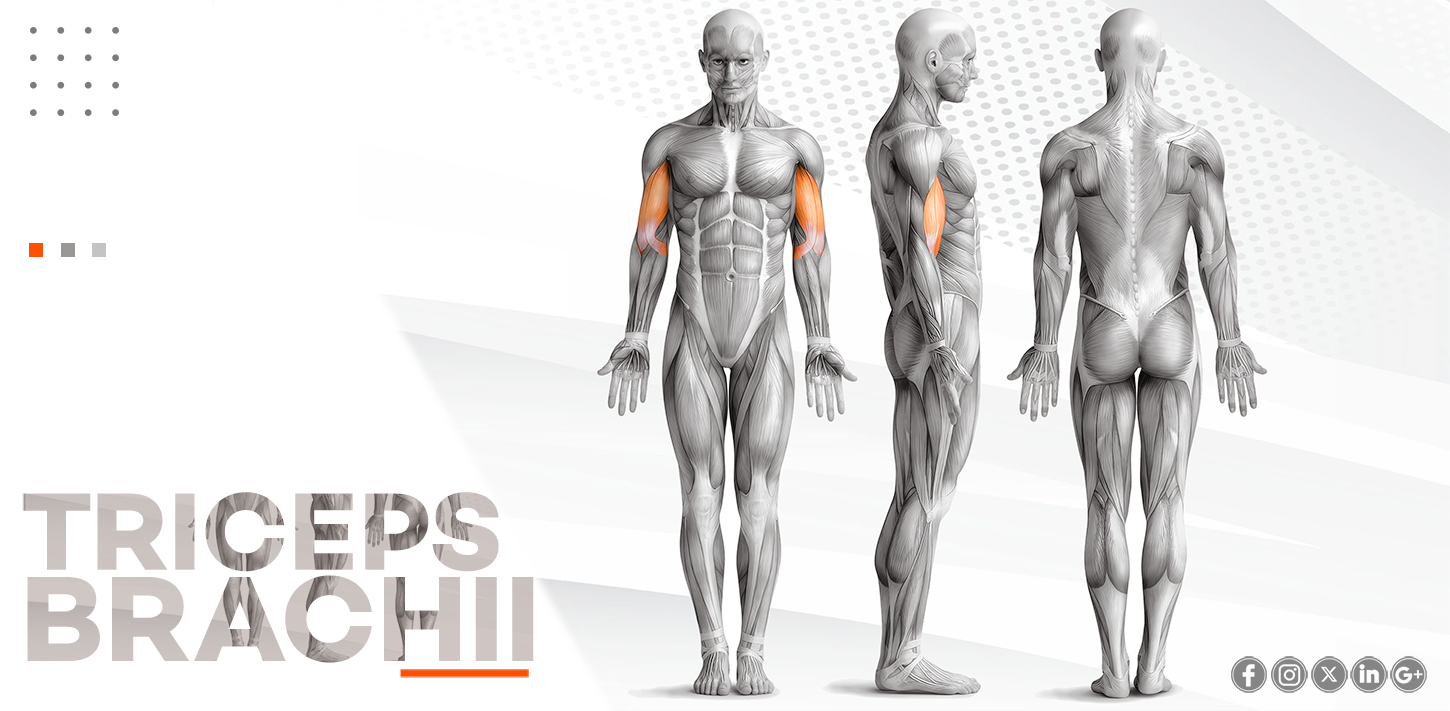
BICEPS BRACHII
GENERAL INFORMATION ABOUT BICEPS BRACHII The Biceps Brachii is a prominent muscle located in the anterior compartment of the upper arm. It is easily recognised by its well-defined, bulging shape, especially when flexed. Biceps brachii is pivotal in many upper limb movements, playing a crucial role i...

BRACHIALIS
GENERAL INFORMATION The brachialis is a muscle located in the anterior compartment of the arm. It plays a crucial role in elbow flexion and is responsible for generating a significant amount of power during gripping and lifting movements. ORIGIN Specifically, this muscles originates from the anter...

CORACOBRACHIALIS
GENERAL INFORMATION The Coracobrachialis is a small muscle located in the anterior compartment of the arm. Importantly, it is one of the muscles that contribute to the movements of the shoulder and elbow joints. ORIGIN The Coracobrachialis originates from the coracoid process of the scapula, a...

POSTERIOR COMPARTMENT OF THE ARM
GENERAL INFORMATION The posterior compartment of the arm consists of several muscles responsible for extending the elbow joint, forearm supination, and wrist extension. These muscles are primarily located on the posterior aspect of the arm. ORIGIN Significantly, the muscles in the posterior co...

ANCONEUS
GENERAL INFORMATION The Anconeus is a small, triangular muscle located in the posterior compartment of the forearm. It plays a crucial role in elbow joint movements, assisting in elbow extension and stabilisation. The Anconeus works synergistically with the triceps brachii during various upper lim...

TRICEPS BRACHII
GENERAL INFORMATION The Triceps Brachii is a large muscle located in the posterior compartment of the arm. It is the primary extensor of the elbow joint and plays a vital role in various pushing movements. ORIGIN The Triceps Brachii has three heads: Long head: Originates from the infraglenoi...

ILIOCOSTALIS
GENERAL INFORMATION This muscle is part of the erector spinal group of muscles, which are crucial for maintaining proper posture and enabling movements such as extending, lateral flexion, and rotating the spine. There are three muscles in the iliocostalis group: Iliocostalis Lumborum Iliocosta...

LONGISSIMUS
GENERAL INFORMATION The longissimus is the most significant part of the erector spinal muscle group, which is critical for spinal movement, such as extension, lateral flexion, spine rotation, and maintaining proper posture. Additionally, the longissimus itself is subdivided into three parts based...

SPINALIS
GENERAL INFORMATION The spinalis is an integral component of the erector spinal muscle group, which is pivotal in maintaining posture and enabling various back movements, including extension, lateral flexion, and spinal rotation. Significantly, these muscle groups are segmented into three distinct...

ERECTOR SPINAE
GENERAL INFORMATION The erector spinae is a group of muscles and tendons that run vertically along the sides of the vertebral column. These muscles are crucial for maintaining an upright posture and facilitating various back movements, such as extending and rotating the spine. Additionally, they p...

INTERSPINALES
GENERAL INFORMATION ABOUT INTERSPINALES The interspinales are small, paired muscles located deep in the spine, part of the transversospinales group. They span between adjacent spinous processes, playing a crucial role in the extension and stabilisation of the vertebral column. Additionally, these...

LATISSIMUS DORSI
GENERAL INFORMATION The latissimus dorsi, often referred to as the “lats,” is a large, flat muscle in the back that stretches to the sides and behind the arm. It is the most significant muscle in the upper body and is responsible for adduction, extension, and medial rotation of the shoulder. Moreo...

SPLENIUS CAPITIS
GENERAL INFORMATION The splenius capitis is a broad, strap-like muscle located in the back of the neck. Specifically, it is one of the deeper muscles of the neck, situated underneath the sternocleidomastoid. Consequently, it functions to extend, laterally flex, and rotate the head. Therefore, unde...

SPLENIUS MUSCLES
GENERAL INFORMATION The splenius muscles, specifically the splenius capitis and splenius cervicis, are part of the superficial layer of the posterior neck muscles. They play an essential role in head and neck movement, particularly in rotation, flexion, and extension. Consequently, understanding t...

MULTIFIDUS
GENERAL INFORMATION The multifidus is a skinny strip of muscle located deep in the spine and is one of the most potent stabilisers. It is made up of a series of muscles attached to the spinal column and divided into sections along the vertebral column. Consequently, this muscle is crucial for main...

ROTATORES
GENERAL INFORMATION The rotatores are small muscles and tendons in the plunging back, part of the transversospinal group. They span the thoracic to lumbar regions, stabilising the spine and aiding in rotation, which is crucial for spinal health and mobility. ORIGIN The rotatores originate from...

SEMISPINALIS CERVICIS
GENERAL INFORMATION The semispinalis cervicis (also known as semispinalis colli) is a muscle in the semispinalis subset of the transversospinales group. It lies in the back of the neck and the upper part of the thoracic region, playing critical roles in extending and rotating the neck and contribu...

SEMISPINALIS THORACIS
GENERAL INFORMATION The semispinalis thoracis is part of the semispinalis group within the transversospinales muscles. Specifically, it is a deep back muscle located in the upper back and neck. Consequently, it plays a crucial role in extending and rotating the vertebral column and helping maintai...

TRANSVERSOSPINALES
GENERAL INFORMATION The transversospinales muscle group includes three muscles: the semispinalis, multifidus, and rotatores. These muscles span the length of the spine, connecting transverse processes to spinous processes across several vertebral segments. Consequently, they play a crucial role in...

VERTEBRAL COLUMN
GENERAL INFORMATION VERTEBRAL COLUMN The vertebral column is a flexible column that extends from the base of the skull to the pelvis. Precisely, it consists of 33 individual bones termed vertebrae, which are divided into five regions: cervical, thoracic, lumbar, sacral, and coccygeal. Consequently...

LEVATOR SCAPULAE
GENERAL INFORMATION The levator scapulae is a skeletal muscle situated at the back and side of the neck. Its primary function is to lift the scapula, hence the name “elevator.” Additionally, it is responsible for various movements and stabilising the shoulder blade. ORIGIN The levator scapulae...

RHOMBOID MAJOR
GENERAL INFORMATION The Rhomboid Major is a muscle located in the upper back region beneath the trapezius muscle. Its primary function is to retract and elevate the scapula, and it also contributes to its downward rotation. ORIGIN This muscle originates from the spinous processes of the second...

RHOMBOID MINOR
GENERAL INFORMATION The Rhomboid Minor is a skeletal muscle on the back that connects the scapula with the vertebrae of the spinal column. It is located superior to the Rhomboid Major and functions in tandem with it. Consequently, these muscles work together to support and move the scapula. ORIG...

RHOMBOIDS
GENERAL INFORMATION The rhomboids are muscles located in the upper back that connect the scapula with the vertebrae of the spinal column. They are situated deep to the trapezius and are primarily responsible for retracting the scapula. Which means pulling the shoulder blades together. Consequently...

TRAPEZIUS
GENERAL INFORMATION The trapezius is a large, superficial muscle that extends down the back of the neck and upper spine. It is diamond-shaped and helps move and stabilise the shoulder blades. Consequently, this muscle plays a crucial role in upper body movement and posture. ORIGIN OF TRAPEZIUS ...

DIAPHRAGM
GENERAL INFORMATION The diaphragm is a dome-shaped muscle located at the base of the chest cavity. It plays a crucial role in respiration, separating the thoracic cavity from the abdominal cavity. Specifically, this muscle is the primary muscle responsible for inhalation. Consequently, it is essen...

INTERCOSTAL MUSCLES
GENERAL INFORMATION The intercostal muscles are a group of muscles that run between the ribs and help form and move the chest wall. Specifically, these muscles are mainly involved in the mechanical aspect of breathing. Consequently, they play a crucial role in the respiratory process. ORIGIN OF...

INNERMOST INTERCOSTAL
GENERAL INFORMATION The innermost intercostal muscles, along with the external and internal intercostal muscles, are found between the ribs and assist in breathing. They are the deepest layer of the intercostal muscles, and consequently, they play a crucial role in the respiratory process. ORIGIN...

INTERNAL INTERCOSTAL
GENERAL INFORMATION The internal intercostal muscles are one of the three layers of muscles in the intercostal spaces, located between the ribs, deep into the external intercostals. They aid in the mechanical aspect of breathing, specifically in forced expiration. Consequently, these muscles play...

INTERCOSTALIS EXTERNAL
GENERAL INFORMATION ABOUT INTERCOSTALIS EXTERNAL The intercostalis external is a group of muscles found in the chest. Specifically, there are eleven on each side of the chest, located between the ribs. They aid in the mechanical aspect of breathing and are responsible for elevating the ribs, thus...

LEVATORES COSTARUM
GENERAL INFORMATION The levatores costarum are a group of deep muscles of the posterior thoracic wall located in the chest region. Specifically, the levatores costarum muscles consist of twelve pairs, with one muscle on each side of the spine for each rib. Consequently, these muscles play a crucia...

PECTORALIS MAJOR
GENERAL INFORMATION The pectoralis major is a large, fan-shaped muscle that covers much of the front upper chest. It is composed of two parts: the clavicular head (upper) and the sternal head (lower). Consequently, this muscle is primarily responsible for the movement of the shoulder joint, making...

PECTORALIS MINOR
GENERAL INFORMATION The pectoralis minor is a thin, triangular muscle located underneath the pectoralis major. It plays a vital role in the movement of the scapula, especially in actions like pushing and pressing. Consequently, this muscle is essential for various upper body movements and stabilit...

SERRATUS POSTERIOR
GENERAL INFORMATION These muscles are a pair of muscles located in the upper back region. Specifically, they consist of the serratus posterior superior and serratus posterior inferior muscles. These muscles are involved in the movements of the ribcage and assist in respiration. Consequently, they...

SERRATUS POSTERIOR INFERIOR
GENERAL INFORMATION The serratus posterior inferior is a muscle in the chest region. It is part of the serratus posterior muscle group, which also includes the serratus posterior superior. The serratus posterior inferior assists in the movements of the ribcage and plays a role in respiration. Conseq...

SERRATUS POSTERIOR SUPERIOR
GENERAL INFORMATION The serratus posterior superior is a muscle located in the chest region. It is part of the serratus posterior muscle group, along with the serratus posterior inferior. It is involved in the movements of the ribcage and contributes to respiration. Consequently, it plays a crucia...

SUBCLAVIUS
GENERAL INFORMATION The subclavius is a small, triangular muscle located under the clavicle. It plays an essential role in stabilising the clavicle during upper limb movements, which is crucial for maintaining shoulder stability and proper arm function. ORIGIN The subclavius originates from the fi...

SUBCOSTALES
GENERAL INFORMATION OF SUBCOSTALES The subcostales muscles are a group of muscles located in the chest on the inner surface of the rib cage. Specifically, they are located on the inner surface of the posterior part of the lower ribs. They are similar to the intercostal muscles but are located more...

TRANSVERSUS THORACIS
GENERAL INFORMATION The transversus thoracis is a thin, flat muscle located in the chest region. It is considered a deep muscle of the anterior thoracic wall. The muscle fibres run horizontally across the thoracic cage, playing a crucial role in the mechanical aspect of breathing. ORIGIN The trans...

CREMASTER
GENERAL INFORMATION The abdomen is a region of the body located between the thorax (chest) and the pelvis. It contains various organs, including the stomach, liver, intestines, kidneys, and reproductive organs. Specifically, the abdomen is surrounded by several layers of muscles, including the cre...

EXTERNAL OBLIQUE MUSCLES
GENERAL INFORMATION The abdomen is a region of the body located between the thorax (chest) and the pelvis. It contains various organs, including the stomach, liver, intestines, kidneys, and reproductive organs. Furthermore, the abdomen is surrounded by several layers of muscles, including the exte...

INTERNAL OBLIQUE MUSCLES
GENERAL INFORMATION The abdomen is a region of the body located between the thorax (chest) and the pelvis. It contains various organs, including the stomach, liver, intestines, kidneys, and reproductive organs. Additionally, the abdomen is surrounded by several layers of muscles, including the int...

FOOT
GENERAL INFORMATION The foot is a complex structure consisting of numerous muscles that work together to support the arches of the foot, provide stability, as well as facilitate movements such as walking, running, and jumping. ORIGIN The origin of these muscles varies depending on the specific mus...

INTERTRANSVERSARII
GENERAL INFORMATION The Intertransversarii are small muscles located between the transverse processes of the vertebrae in the spine. These muscles are divided into cervical, thoracic, and lumbar groups, each playing a crucial role in stabilising the vertebrae and facilitating slight lateral spinal...

SPLENIUS CERVICIS
GENERAL INFORMATION The Splenius Cervicis is a vital muscle in the neck, part of the deeper layer of the intrinsic back muscles. It plays a crucial role in the movements of the head and neck, particularly in rotating and extending the cervical spine. This muscle is essential for maintaining proper...

SEMISPINALIS CAPITIS
GENERAL INFORMATION The semispinalis capitis is a deep and intrinsic muscle of the back situated in the upper part of the neck. It plays a crucial role in the movement as well as stabilisation of the head and neck. ORIGIN The semispinalis capitis originates from the transverse processes of the...

OBLIQUE MUSCLES
GENERAL INFORMATION The oblique muscles comprise the external and internal obliques. They play an essential role in stabilising the torso, enabling movement of the spine, and maintaining overall posture. Located on the sides of the abdomen, these muscles are critical for various functions, includi...

PYRAMIDALIS
GENERAL INFORMATION The abdomen is a crucial region of the body, positioned between the thorax (chest) and the pelvis. It houses various vital organs, including the stomach, liver, intestines, kidneys, and reproductive organs. Surrounding these organs, the abdomen is fortified by several layers of...

QUADRATUS LUMBORUM
GENERAL INFORMATION The abdomen is a crucial region of the body, quadratus lumborum positioned between the thorax (chest) and the pelvis. It houses various vital organs, including the stomach, liver, intestines, kidneys as well as reproductive organs. Surrounding these organs, the abdomen is forti...

RECTUS ABDOMINIS
GENERAL INFORMATION The abdomen is a region of the body located between the thorax (chest) as well as the pelvis. It contains various organs, including the stomach, liver, intestines, kidneys, as well as reproductive organs. Additionally, the abdomen is surrounded by several layers of muscles, inc...

SERRATUS ANTERIOR
GENERAL INFORMATION The serratus anterior is a muscle that originates on the surface of the upper eight to nine ribs as well as inserts along the entire anterior length of the medial border of the scapula. This muscle is essential for scapular movement and also stabilisation. ORIGIN The serrat...

TRANSVERSUS ABDOMINIS
GENERAL INFORMATION The abdomen is a region of the body located between the thorax (chest) as well as the pelvis. It contains various organs, including the stomach, liver, intestines, kidneys, as well as reproductive organs. Additionally, the abdomen is surrounded by several layers of muscles, inc...

FOOT DORSAL
GENERAL INFORMATION The dorsal muscles of the foot are a group of muscles located on the top (dorsal) surface of the foot. These muscles play a role in movements such as dorsiflexion (lifting the foot upward), extension of the toes, and stabilisation of the foot during walking and running. ORIG...

FOOT EXTENSOR DIGITORUM BREVIS
GENERAL INFORMATION The extensor digitorum brevis is a muscle located on the top (dorsal) surface of the foot. It plays a role in extending the toes as well as assisting in dorsiflexion (lifting the foot upward). ORIGIN The extensor digitorum brevis muscle originates from: The calcaneus (hee...

FOOT EXTENSOR HALLUCIS BREVIS
GENERAL INFORMATION The extensor hallucis brevis is a small muscle located on the top (dorsal) surface of the foot. It plays a role in extending the big toe as well as assisting in dorsiflexion (lifting the foot upward). ORIGIN The extensor hallucis brevis muscle originates from: The calcane...

FOOT PLANTAR
GENERAL INFORMATION The plantar muscles are a group of muscles located in the foot that play a crucial role in various movements and functions, including walking, running, and maintaining balance. These muscles work together to provide stability and support to the foot arches. ORIGIN The plan...

FOOT 1ST LAYER
GENERAL INFORMATION The foot’s 1st layer muscles provide essential support, stability, and movement control. These muscles work together to maintain the arches of the foot, support body weight, and facilitate various foot movements, such as walking, running, and jumping. ORIGIN The muscles in...

FOOT FLEXOR DIGITORUM BREVIS
GENERAL INFORMATION The flexor digitorum brevis is a muscle located in the foot that plays a crucial role in flexing the toes and maintaining the foot arches. It is part of the first layer of muscles in the foot. ORIGIN The flexor digitorum brevis muscle originates from specific points within...

FOOT ABDUCTOR DIGITI MINIMI
GENERAL INFORMATION The abductor digiti minimi is a muscle located in the foot that plays a vital role in stabilising the foot, supporting the arches, and controlling the movement of the fifth toe. It is part of the first layer of muscles in the foot. ORIGIN The abductor digiti minimi muscle...

FOOT ABDUCTOR HALLUCIS
GENERAL INFORMATION The abductor hallucis is a muscle located in the foot that plays a crucial role in maintaining the structural integrity of the foot arches as well as controlling the movement of the big toe. It is part of the first layer of muscles in the foot. ORIGIN The abductor hallucis...

FOOT 2ND LAYER
GENERAL INFORMATION The foot’s 2nd layer muscles provide additional support, stability, and control over foot movements. These muscles work together to maintain the arches of the foot, assist in weight-bearing activities, and contribute to the overall function of the foot. ORIGIN The muscles i...

FOOT LUMBRICAL MUSCLE
GENERAL INFORMATION The lumbrical muscles are a group of small muscles located in the foot that play an essential role in controlling toe movements as well as maintaining foot posture. As intrinsic muscles of the foot, they are situated in the sole of the foot. ORIGIN The foot lumbrical muscle...

FOOT QUADRATUS PLANTAE
GENERAL INFORMATION The foot quadratus plantae is a muscle located in the foot that plays an important role in maintaining foot stability, controlling toe movements, and assisting in weight-bearing activities. It is part of the second layer of muscles in the foot. ORIGIN The foot quadratus pla...

FOOT 3RD LAYER
GENERAL INFORMATION The foot’s 3rd layer muscles provide additional support, stability, and fine control over foot movements. These muscles work together to maintain the arches of the foot, assist in weight-bearing activities, and contribute to the overall function of the foot. ORIGIN The musc...

FLEXOR DIGITI MINIMI BREVIS FOOT
GENERAL INFORMATION The flexor digiti minimi brevis is a muscle located in the foot that plays a role in controlling the movement of the fifth toe (little toe). It is part of the third layer of muscles in the foot. ORIGIN The flexor digiti minimi brevis muscle originates from specific points...

FOOT ADDUCTOR HALLUCIS
GENERAL INFORMATION The adductor hallucis is a muscle located in the foot that plays a crucial role in controlling the movement of the great toe (hallux). It is part of the third layer of muscles in the foot. ORIGIN The adductor hallucis muscle originates from specific points within the foot....

FOOT FLEXOR HALLUCIS BREVIS
GENERAL INFORMATION The flexor hallucis brevis is a muscle located in the foot that plays a crucial role in controlling the movement of the great toe (hallux). It is part of the third layer of muscles in the foot. ORIGIN The flexor hallucis brevis muscle originates from specific points within...

FOOT 4TH LAYER
GENERAL INFORMATION The foot’s 4th layer muscles provide additional support, stability, and control over foot movements. These muscles work together to maintain the arches of the foot, assist in weight-bearing activities, and contribute to the overall function of the foot. ORIGIN The muscles...

FOOT DORSAL INTEROSSEI
GENERAL INFORMATION The dorsal interossei are a group of muscles located in the foot that play a role in controlling the movement of the toes. They are part of the fourth layer of muscles in the foot. ORIGIN They originate from specific points within the foot. The origins of the dorsal interos...

FOOT PLANTAR INTEROSSEI
GENERAL INFORMATION The foot plantar interossei are a group of muscles located in the foot that play a role in controlling the movement of the toes. They are part of the fourth layer of muscles in the foot. ORIGIN The muscles originate from specific points within the foot. The origins of the [...

ANTERIOR COMPARTMENT FOREARM
GENERAL INFORMATION The anterior compartment of the forearm consists of several muscles responsible for the flexion of the wrist and fingers, as well as pronation of the forearm. These muscles are primarily located on the anterior aspect of the forearm, playing a crucial role in various daily acti...

DEEP FOREARM MUSCLES
GENERAL INFORMATION The deep forearm muscles, primarily responsible for the intricate movements of the hand and fingers, include the flexor pollicis longus, flexor digitorum profundus, and pronator quadratus. These deep forearm muscles are situated beneath the superficial layer of the forearm and...

FLEXOR DIGITORUM PROFUNDUS
GENERAL INFORMATION The Flexor Digitorum Profundus is a deep muscle located in the anterior compartment of the forearm. It plays a crucial role in flexing the distal interphalangeal joints (DIP joints) of the fingers. It also assists in wrist flexion. ORIGIN This muscle originates from two poi...

FLEXOR POLLICIS LONGUS
GENERAL INFORMATION The Flexor Pollicis Longus is a deep muscle located in the anterior compartment of the forearm. It is primarily responsible for flexing the thumb and plays an important role in thumb movements and grip strength. ORIGIN This muscle originates from two points: The anterior...

PRONATOR QUADRATUS
GENERAL INFORMATION The Pronator Quadratus is a deep, square-shaped muscle located in the anterior compartment of the forearm. It plays a crucial role in the forearm’s pronation as well as stabilising the distal radioulnar joint. ORIGIN The Pronator Quadratus originates from the distal portion...

SUPERFICIAL
GENERAL INFORMATION The superficial layer of the forearm consists of several muscles responsible for various movements of the wrist and fingers. These muscles are located closer to the surface of the forearm, which also allows them to play a significant role in many everyday activities. ORIGIN ...

FLEXOR CARPI RADIALIS
GENERAL INFORMATION The Flexor Carpi Radialis is a muscle located in the anterior compartment of the forearm. It plays a significant role in flexing and abducting the wrist, as well as providing stability to the wrist joint. ORIGIN This muscle originates from two points: Medial epicondyle of...

FLEXOR CARPI ULNARIS
GENERAL INFORMATION The Flexor Carpi Ulnaris is a muscle located in the anterior compartment of the forearm. It plays a major role in flexing and adducting the wrist as well as stabilising it during gripping actions. ORIGIN This muscle originates from two points: Humeral head: Originates fro...

FLEXOR DIGITORUM SUPERFICIALIS
GENERAL INFORMATION The Flexor Digitorum Superficialis is a muscle located in the anterior compartment of the forearm. It plays a vital role in flexing the fingers and assisting in wrist flexion. ORIGIN The Flexor Digitorum Superficialis originates from two points: Medial epicondyle of the h...

PALMARIS LONGUS
GENERAL INFORMATION The Palmaris Longus is a muscle located in the anterior compartment of the forearm. It is a slender muscle that runs along the inner side of the forearm as well as plays a minor role in flexing the wrist as well as tensioning the palmar aponeurosis. ORIGIN The Palmaris Long...

PRONATOR TERES
GENERAL INFORMATION The Pronator Teres is a muscle located in the anterior compartment of the forearm. It plays a crucial role in forearm pronation, which is the rotation of the forearm to turn the palm facing downward. ORIGIN The Pronator Teres has two heads: Humeral head: Originates from t...

LEG
GENERAL INFORMATION The leg is the anatomical region between the knee and the ankle in the lower limb. It also consists of various muscles, bones, blood vessels, and nerves that work together to support standing, walking, running, and other lower limb movements. ORIGIN These muscles have vario...

LEG EXTENSOR DIGITORUM LONGUS
GENERAL INFORMATION The leg extensor digitorum longus is a muscle located in the anterior compartment of the lower limb. It plays a crucial role in extending the toes and assisting in the dorsiflexion of the ankle. Furthermore, this muscle is involved in activities such as walking, running, and ma...

FIBULARIS TERTIUS
GENERAL INFORMATION The fibularis tertius, also known as the peroneus tertius, is a muscle located in the anterior compartment of the lower leg. It is one of the muscles of the lateral (fibular) group and plays a role in ankle dorsiflexion and eversion. The fibularis tertius assists in stabilisin...

PERONEUS TERTIUS
GENERAL INFORMATION The peroneus tertius, also known as the fibularis tertius, is a muscle located in the anterior compartment of the lower leg. It is part of the peroneal muscle group, also known as the fibular muscles. The peroneus tertius assists in dorsiflexion and eversion of the foot, as wel...

ANTERIOR COMPARTMENT TIBIALIS ANTERIOR
GENERAL INFORMATION The tibialis anterior is a muscle located in the anterior compartment of the lower limb. It is one of the key muscles involved in dorsiflexion and inversion of the foot. The tibialis anterior plays an important role in walking, running, and maintaining proper foot alignment dur...

THIGH FIBULARIS MUSCLES
GENERAL INFORMATION The thigh fibularis muscles, also known as peroneal muscles, are a group of muscles located in the lateral (outer) compartment of the lower leg. These muscles play a significant role in ankle eversion (moving the foot outward) as well as provide stability to the ankle joint. ...

THIGH PERONEUS BREVIS
GENERAL INFORMATION The thigh peroneus brevis, also known as fibularis brevis, is a muscle located in the lateral compartment of the lower leg. It plays a crucial role in ankle stability, eversion (outward movement) of the foot, and supporting the arch of the foot. ORIGIN The peroneus brevis m...

THIGH PERONEUS LONGUS
GENERAL INFORMATION The thigh peroneus longus, also known as fibularis longus, is a muscle located in the lateral compartment of the lower leg. It plays an important role in ankle stability, eversion (outward movement) of the foot, and supporting the arch of the foot. ORIGIN The thigh peroneus...

MEDIAL COMPARTMENT
GENERAL INFORMATION The medial compartment of the lower limb is a group of muscles located on the inner side of the thigh and leg. These muscles play a vital role in stabilising the lower limb, controlling movement, and providing support during weight-bearing activities. ORIGIN These muscles c...

LEG POSTERIOR COMPARTMENT
GENERAL INFORMATION The leg posterior compartment of the lower limb refers to a group of muscles located at the back of the leg. These muscles play a crucial role in movements such as ankle plantar flexion, toe flexion as well as foot inversion. ORIGIN The specific origins of the muscles in t...

THIGH POPLITEUS
GENERAL INFORMATION The thigh popliteus is a small, triangular muscle located in the posterior (back) part of the knee joint. Despite its small size, the popliteus plays a significant role in unlocking the knee joint and initiating the process of knee flexion. It provides stability and control dur...

THIGH TARSALE TUNNEL
GENERAL INFORMATION The thigh Tarsale Tunnel is a narrow space located on the inner aspect of the ankle. The important nerves, blood vessels, and tendons pass through. It serves as a conduit for structures travelling from the leg to the foot. Similarly, the tarsal tunnel is analogous to the carpal...

THIGH FLEXOR DIGITORUM LONGUS
GENERAL INFORMATION The thigh flexor digitorum longus is a muscle located in the deep posterior (back) compartment of the lower leg. It plays a key role in flexing the toes, aiding in gripping actions as well as providing stability during walking and running. ORIGIN The flexor digitorum longus...

THIGH FLEXOR HALLUCIS LONGUS
GENERAL INFORMATION The thigh flexor hallucis longus is a muscle located in the deep posterior (back) compartment of the lower leg. It plays a crucial role in flexing the big toe and supporting the arch of the foot during walking, running, and jumping. ORIGIN The thigh flexor hallucis longus m...

THIGH TIBIALIS POSTERIOR
GENERAL INFORMATION The thigh tibialis posterior is a muscle located in the deep posterior compartment of the lower leg. It plays a vital role in supporting the arch of the foot, controlling pronation (inward rolling) of the foot as well as providing stability during walking, running as well as ju...

TRANSVERSOSPINALIS
GENERAL INFORMATION The Transversospinalis is a complex of several deep muscles situated along the spinal column. These muscles are instrumental in stabilising the spine, fine-tuning its movements, and maintaining proper posture. Their primary function involves assisting with the rotational moveme...

LEG SUPERFICIAL
GENERAL INFORMATION The superficial muscles of the lower limb are a group of muscles located close to the surface of the leg. They contribute to the overall function and movement of the lower limb, including actions such as knee extension, hip flexion as well as ankle plantar flexion. ORIGIN T...

THIGH TRICEPS SURAE
GENERAL INFORMATION The thigh triceps surae is responsible for plantar flexion of the foot, which involves pointing the foot downward, as well as assisting in flexion of the knee. It is an important muscle group for maintaining balance and stability during locomotion. ORIGIN Gastrocnemius: The...

THIGH GASTROCNEMIUS
GENERAL INFORMATION The gastrocnemius is a prominent muscle located in the posterior (back) part of the thigh. It is one of the two primary muscles that make up the triceps surae, commonly known as the calf muscle. The gastrocnemius plays a crucial role in various movements, including walking, run...

THIGH PLANTARIS
GENERAL INFORMATION The thigh plantaris is a small, long muscle located in the posterior (back) part of the thigh. It is often considered part of the triceps surae muscle group, along with the gastrocnemius and soleus muscles. Despite its small size, the plantaris contribute to certain movements o...

THIGH SOLEUS
GENERAL INFORMATION The thigh soleus is a powerful muscle located in the posterior (back) part of the lower leg. It is one of the two primary muscles that make up the triceps surae, commonly known as the calf muscle. The soleus plays an important role in various movements, such as walking, running...

GLUTEAL
GENERAL INFORMATION The gluteal muscles are a group of muscles located in the buttocks region. They play a crucial role in stabilizing the pelvis, extending the hip joint, and providing support during activities such as standing, walking, running, and climbing stairs. ORIGIN These muscles have...

GLUTEUS MAXIMUS MUSCLE
GENERAL INFORMATION The gluteus maximus is the largest muscle in the human body. It is located in the buttocks and is responsible for various movements of the hip joint, including hip extension, abduction, and external rotation. This muscle plays a vital role in maintaining an upright posture, ena...

GLUTEUS MEDIUS MUSCLE
GENERAL INFORMATION The Gluteus Medius is a broad, thick muscle located in the buttocks. It lies superficially to the Gluteus Maximus and plays a crucial role in stabilising the pelvis and controlling hip movement during walking, running, and standing. ORIGIN OF GLUTEUS MEDIUS MUSCLE The Glute...

GLUTEUS MINIMUS MUSCLE
GENERAL INFORMATION The Gluteus Minimus is a small muscle located in the buttocks, deep to the Gluteus Medius. It is responsible for hip abduction, internal rotation, and stabilisation of the hip joint. ORIGIN The Gluteus Minimus originates from the outer surface of the ilium (the upper part o...

LATERAL ROTATOR GROUP
GENERAL INFORMATION The Lateral Rotator Group is a collection of muscles located in the hip region. These muscles work together to produce external rotation of the hip joint and contribute to stability as well as movement of the pelvis and lower limb. ORIGIN The muscles of the Lateral Rotator...

INFERIOR GEMELLUS MUSCLE
GENERAL INFORMATION The Inferior Gemellus is a small muscle located in the hip region. It is part of the deep lateral rotator group and contributes to hip stability and external rotation. ORIGIN The Inferior Gemellus originates from the ischial tuberosity, which is the bony prominence commonly kno...

LEG INFERIOR GEMELLUS MUSCLE
GENERAL INFORMATION The leg Inferior Gemellus is a small muscle located in the hip region. It is part of the deep lateral rotator group and contributes to hip stability and external rotation. ORIGIN The leg Inferior Gemellus originates from the ischial tuberosity, which is the bony prominence...

OBTURATOR EXTERNUS MUSCLE
GENERAL INFORMATION The Obturator Externus is a small, deep muscle located in the hip region. It plays a vital role in hip stability, external rotation, and abduction of the hip joint. ORIGIN The Obturator Externus originates from the external surface of the obturator membrane and the surround...

OBTURATOR INTERNUS MUSCLE
GENERAL INFORMATION The Obturator Internus is a small, deep muscle located in the hip region. It plays a crucial role in hip stability, external rotation, and abduction of the hip joint. ORIGIN The Obturator Internus originates from the internal surface of the obturator membrane, the obturator...

PIRIFORMIS MUSCLE
GENERAL INFORMATION The Piriformis is a small, deep muscle located in the buttock region. It plays a crucial role in hip rotation and stabilisation, and its proximity to the sciatic nerve makes it clinically significant. ORIGIN The Piriformis originates from the anterior surface of the sacrum,...

QUADRATUS FEMORIS MUSCLE
GENERAL INFORMATION The Quadratus Femoris is a square-shaped muscle located in the hip region. It plays a crucial role in hip stability, adduction, and lateral rotation. ORIGIN The Quadratus Femoris originates from the ischial tuberosity, which is the bony prominence commonly known as the sit...

SUPERIOR GEMELLUS MUSCLE
GENERAL INFORMATION The Superior Gemellus is a small muscle located in the hip region. It is part of the deep lateral rotator group and plays a role in hip stability and external rotation. ORIGIN The Superior Gemellus originates from the ischial spine, which is a bony projection located on the...

TENSOR FASCIA LATAE
GENERAL INFORMATION The Tensor Fascia Latae (TFL) is a small muscle located in the hip region. It plays a significant role in stabilising the pelvis, assisting in hip flexion and abduction, and maintaining tension in the iliotibial tract. ORIGIN This muscle originates from the anterior aspect...

THIGH
GENERAL INFORMATION The thigh is the upper part of the lower limb, located between the hip and the knee. It is a powerful region that contains various muscles, bones, blood vessels, and nerves involved in walking, running, and other lower limb movements. ORIGIN OF THIGH The muscles of this par...

ANTERIOR COMPARTMENT THIGH
GENERAL INFORMATION The anterior compartment of the thigh is one of the anatomical divisions of the thigh region. It contains several muscles responsible for hip flexion and knee extension, which play crucial roles in functional movements such as walking, running, and jumping. ORIGIN The muscl...

ARTICULARIS GENU
GENERAL INFORMATION The Articularis Genu is a small muscle located in the anterior compartment of the thigh. It is part of the quadriceps femoris muscle group and is responsible for controlling the movement and tension of the synovial membrane within the knee joint. ORIGIN This muscle originat...

QUADRICEPS FEMORIS
GENERAL INFORMATION The quadriceps femoris is a group of four muscles located in the anterior compartment of the thigh. It is the largest muscle group in the body and plays a key role in knee extension and hip flexion. The four muscles that make up the quadriceps femoris are the rectus femoris, va...

RECTUS FEMORIS
GENERAL INFORMATION The Rectus Femoris is a crucial muscle in the quadriceps group, notable for crossing both the hip and knee joints. It is instrumental in various dynamic actions such as walking, running, and jumping, and it is primarily responsible for extending the knee and flexing the hip. Th...

VASTUS INTERMEDIUS
GENERAL INFORMATION The Vastus Intermedius is one of the four muscles comprising the quadriceps femoris group. It is located deep in the thigh, beneath the Rectus Femoris. It plays a pivotal role in extending the knee joint, essential for activities such as running, jumping, and climbing stairs. A...

VASTUS LATERALIS
GENERAL INFORMATION The Vastus Lateralis is the largest and most powerful component of the quadriceps femoris muscle group. Located on the lateral side of the thigh, this muscle is primarily responsible for extending the knee and plays a key role in stabilising the leg during various activities. I...

VASTUS MEDIALIS
GENERAL INFORMATION The Vastus Medialis is one of the four components of the quadriceps femoris group, primarily responsible for knee extension. Located medially along the thigh, it plays a crucial role in stabilising the patella and the knee joint during movements. The muscle is particularly impo...

SARTORIUS
GENERAL INFORMATION Sartorius is a long, strap-like muscle located in the anterior compartment of the thigh. It is the longest muscle in the human body. Sartorius plays a significant role in the movement as well as stabilisation of the hip and knee joints. ORIGIN This muscle originates from th...

THIGH LATERAL COMPARTMENT
GENERAL INFORMATION The lateral compartment of the thigh consists of several muscles located on the lateral (outer) aspect of the thigh. These muscles play a role in various movements, including hip abduction (moving the leg away from the midline) and stabilisation of the hip joint. ORIGIN OF TH...

GLUTEUS MEDIUS
GENERAL INFORMATION The Gluteus Medius is a key muscle located on the lateral aspect of the upper buttock, just beneath the iliac crest. This muscle is primarily involved in stabilising the pelvis during gait and is crucial for lateral movement of the hip. Its strategic location and function are e...

GLUTEUS MINIMUS
GENERAL INFORMATION The Gluteus Minimus is the smallest of the three gluteal muscles located deep beneath the Gluteus Medius. It plays a crucial role in stabilising the hip and controlling the movement of the leg. This muscle is particularly important for maintaining balance, allowing for lateral...

PIRIFORMIS ANTERIOR
GENERAL INFORMATION The Piriformis Anterior is a lesser-known but highly significant muscle located in the deep gluteal region. It plays a crucial role in lower limb dynamics, particularly in lateral rotation and stabilisation of the hip. This muscle is of particular interest due to its proximity...

TENSOR FASCIAE LATAE (TFL)
GENERAL INFORMATION The Tensor Fasciae Latae (TFL) is a crucial muscle located at the lateral aspect of the hip. This relatively small muscle is significantly involved in stabilising the hip and knee, particularly during dynamic activities such as walking, running, and cycling. The Tensor Fasciae...

THIGH DEEP MUSCLES
GENERAL INFORMATION The deep muscles of the thigh, also known as the deep femoral muscles or adductor muscles, are located on the inner aspect of the thigh. These muscles play a crucial role in various movements, including adduction of the hip (bringing the leg toward the midline) and stabilising...

ADDUCTOR MUSCLES OF THE HIP
GENERAL INFORMATION The adductor muscles of the hip are a group of muscles located on the inner side of the thigh. They play a crucial role in hip adduction, which is the movement of bringing the leg toward the midline of the body. These muscles are involved in various activities, such as walking,...

ADDUCTOR LONGUS
GENERAL INFORMATION The adductor longus is a muscle located in the medial compartment of the thigh. It is part of the hip adductor muscle group and plays a role in hip adduction, bringing the leg closer to the midline of the body. The adductor longus is involved in movements such as walking, runni...

ADDUCTOR MAGNUS
GENERAL INFORMATION The adductor magnus is a large muscle located in the medial compartment of the thigh. It is part of the hip adductor muscle group and plays a role in hip adduction, which brings the leg closer to the midline of the body. The adductor magnus is one of the strongest muscles in […...

GRACILIS
GENERAL INFORMATION The gracilis is a long, thin muscle located on the inner side of the thigh. It is one of the adductor muscles and plays a significant role in hip adduction and knee flexion. The gracilis muscle works in coordination with other muscles to stabilise the lower limb and assist in v...

PECTINEUS
GENERAL INFORMATION The pectineus is a small, short muscle located in the anterior compartment of the thigh. It is part of the hip adductor muscle group and plays a role in hip flexion, adduction, and medial rotation. The pectineus muscle works in coordination with other muscles to stabilise the h...

POSTERIOR COMPARTMENT HAMSTRING
GENERAL INFORMATION The posterior compartment, also known as the hamstring muscle group, is located at the back of the thigh. It consists of three main muscles: the biceps femoris, semitendinosus, and semimembranosus. The posterior compartment is responsible for various functions, including knee f...

BICEPS FEMORIS
GENERAL INFORMATION The biceps femoris is a muscle located in the posterior compartment of the thigh. It is one of the muscles that make up the hamstring muscle group. The biceps femoris plays an important role in the movement and stability of the lower limb. ORIGIN The biceps femoris has two...

SEMIMEMBRANOSUS
GENERAL INFORMATION The semimembranosus is a muscle located in the posterior compartment of the thigh. It is one of the muscles that make up the hamstring muscle group. The semimembranosus plays an important role in lower limb movement, stability, and overall function. ORIGIN The semimembranos...

SEMITENDINOSUS
GENERAL INFORMATION The semitendinosus is a muscle located in the posterior compartment of the thigh. It is one of the muscles that make up the hamstring muscle group. The semitendinosus plays a crucial role in various lower limb movements. It also provides stability to the knee joint. ORIGIN ...

ADDUCTOR BREVIS
GENERAL INFORMATION The adductor brevis is a muscle located in the medial compartment of the thigh. It is part of the hip adductor muscle group and plays a role in hip adduction. It also brings the leg closer to the midline of the body. The adductor brevis assists in stabilising the hip joint as [...

SCALENES
GENERAL INFORMATION The Scalene muscles are a group of three muscles located on each side of the neck, known individually as the anterior, middle, and posterior scalenes. These muscles are deeply embedded in the lateral aspects of the neck, underlying the sternocleidomastoid. They are essential fo...

STERNOCLEIDOMASTOID (SCM)
GENERAL INFORMATION The Sternocleidomastoid (SCM) muscle is a prominent and vital component of the neck’s anatomy, easily recognisable due to its distinctive V-shape. This muscle is crucial not only for various movements of the head but also for respiratory mechanics. As a superficial muscle, it s...

PELVIC GIRDLE
GENERAL INFORMATION The pelvic girdle serves as a critical structure in the human body, acting as a juncture between the spine and the legs while supporting various organs in the pelvic and abdominal regions. It is composed of the hip bones—ilium, ischium, and pubis—along with the sacrum and coccy...

ILIAC REGION
GENERAL INFORMATION The iliac region is located in the lower part of the abdomen, specifically overlying the iliac bones. It contains various structures, including muscles, nerves, blood vessels, and organs. This region plays a crucial role in supporting and stabilising the pelvis and lower back. ...

ILIOPSOAS
GENERAL INFORMATION The iliopsoas are a group of muscles located in the hip region. The combination of the iliacus and psoas major muscles forms it. The iliopsoas is one of the primary hip flexors and plays a crucial role in various movements, including walking, running, and sitting. ORIGIN Il...

ILIACUS
GENERAL INFORMATION The iliacus is a muscle located in the hip region. It is part of the iliopsoas muscle group, along with the psoas major muscle. The iliacus muscle plays a significant role in hip flexion and contributes to the stability and movement of the pelvis and lower back. This muscle is...

PSOAS MAJOR
GENERAL INFORMATION The psoas major is a long muscle located in the hip region. Along with the iliacus muscle, it is part of the iliopsoas muscle group. The psoas major plays a vital role in hip flexion, posture, as well as lower back stability. ORIGIN The psoas major originates from the lumba...

PSOAS MINOR
GENERAL INFORMATION The psoas minor is a small muscle located in the hip region. It is considered a minor muscle in comparison to the larger psoas major. The psoas minor assists in hip flexion and contributes to the stability and posture of the pelvis and lower back. ORIGIN The psoas minor ori...

COCCYGEUS
GENERAL INFORMATION The coccygeus is also known as the iliococcygeus. It is a small muscle located in the pelvic region, along with the levator ani muscle. It makes up the pelvic diaphragm and contributes to supporting as well as stabilising the pelvic organs. ORIGIN The coccygeus muscle origi...

LEVATOR ANI
GENERAL INFORMATION The levator ani is a broad, thin muscle located in the pelvic region. It is one of the muscles that make up the pelvic diaphragm. The levator ani muscle plays a vital role in supporting the pelvic organs and maintaining continence. ORIGIN This muscle has multiple origins: ...

ILIOCOCCYGEUS
GENERAL INFORMATION The iliococcygeus is a muscle located in the pelvic region. It is one of the muscles that make up the levator ani, which forms the pelvic diaphragm. The iliococcygeus muscle plays a vital role in supporting the pelvic organs as well as maintaining continence. ORIGIN This mu...

PUBOCOCCYGEUS
GENERAL INFORMATION The pubococcygeus is a muscle located in the pelvic region. It is one of the muscles that make up the levator ani, which forms the pelvic diaphragm. The pubococcygeus muscle plays a vital role in supporting the pelvic organs as well as maintaining continence. ORIGIN This mu...

PUBORECTALIS
GENERAL INFORMATION The puborectalis is a bony structure located at the base of the spine, formed by several bones, including the sacrum, coccyx, and hip bones (ilium, ischium, and pubis). It plays a crucial role in supporting the weight of the upper body and protecting the organs in the lower abd...

DEEP PERINEAL POUCH
GENERAL INFORMATION The deep perineal pouch is a potential space located in the perineum between the inferior fascia of the urogenital diaphragm (perineal membrane) and the superior fascia of the urogenital diaphragm. It contains several structures, including muscles, blood vessels, nerves as well...

SPHINCTER URETHRAE MEMBRANACEA
GENERAL INFORMATION The sphincter urethrae membranacea is a muscle located in the perineum. It is part of the deep layer of the pelvic floor muscles and plays a crucial role in maintaining continence by controlling the opening and closing of the urethra. ORIGIN It originates from the inferior...

TRANSVERSUS PERINEI PROFUNDUS
GENERAL INFORMATION The transversus perinei profundus is a muscle located in the perineum. It is part of the deep layer of the pelvic floor muscles and plays a role in supporting pelvic organs as well as maintaining continence. ORIGIN This muscle originates from the ischial ramus. INSERTION...

SPHINCTER ANI
GENERAL INFORMATION The perineum is the region between the pubic symphysis and the coccyx, located between the thighs. Sphincter ani contains various structures, including muscles, nerves, blood vessels, and genitals. The perineum plays a role in supporting pelvic organs and is involved in sexual...

SPHINCTER ANI EXTERNUS
GENERAL INFORMATION The sphincter ani externus is the region between the pubic symphysis and the coccyx, located between the thighs. It contains various structures, including muscles, nerves, blood vessels, and genitals. The perineum plays a role in supporting pelvic organs and is involved in sexu...

SPHINCTER ANI INTERNUS
GENERAL INFORMATION The sphincter ani internus is the region between the pubic symphysis and the coccyx, located between the thighs. It contains various structures, including muscles, nerves, blood vessels, and genitals. The perineum plays a role in supporting pelvic organs and is involved in sexu...

SUPERFICIAL PERINEAL POUCH
GENERAL INFORMATION The superficial perineal pouch is the region between the pubic symphysis and the coccyx, located between the thighs. It contains various structures, including muscles, nerves, blood vessels, and genitals. The perineum plays a role in supporting pelvic organs. It is also involve...

BULBOSPONGIOSUS
GENERAL INFORMATION The bulbospongiosus, situated between the pubic symphysis and coccyx, supports pelvic organs and facilitates key bodily functions like sexual activity, urination, and defecation. BULBOSPONGIOSUS The bulbospongiosus muscle is a vital component of the pelvic floor muscles, in...

ISCHIOCAVERNOSUS
GENERAL INFORMATION The ischiocavernosus, situated between the pubic symphysis and coccyx, contains vital structures such as muscles, nerves, blood vessels, and genitals, supporting pelvic organs and essential bodily functions. ISCHIOCAVERNOSUS The ischiocavernosus muscle, a component of the s...

TRANSVERSUS PERINEI SUPERFICIALIS
GENERAL INFORMATION The transversus perinei superficialis is a lesser-known but crucial muscle located within the pelvic floor. Part of the superficial perineal pouch, this muscle supports pelvic floor functions crucial for urinary and faecal continence, sexual function, and overall pelvic stabili...

DELTOID
GENERAL INFORMATION The deltoid is a large, triangular-shaped muscle situated in the shoulder region, pivotal for shoulder movement and aesthetics. Comprising anterior (front), middle, and posterior (rear) heads, it plays a central role in shoulder joint function. ORIGIN Anterior Head: Origina...

INFRASPINATUS
GENERAL INFORMATION The infraspinatus is a muscle located in the shoulder region. It is one of the four muscles that make up the rotator cuff. The infraspinatus muscle plays a vital role in shoulder movements, particularly in external rotation and stabilisation of the shoulder joint. ORIGIN Th...

ROTATOR CUFF
GENERAL INFORMATION The rotator cuff is a group of muscles and tendons located in the shoulder region. It consists of four muscles that work together to stabilise the shoulder joint and facilitate its movements. The rotator cuff muscles are the supraspinatus, infraspinatus, teres minor, as well as...

SUBSCAPULARIS
GENERAL INFORMATION The subscapularis is a muscle located in the shoulder region. It is one of the four muscles that make up the rotator cuff. The subscapularis muscle plays a vital role in stabilising as well as internally rotating the shoulder joint. ORIGIN This muscle originates from the su...

SUPRASPINATUS
GENERAL INFORMATION The supraspinatus is a muscle located in the shoulder region. It is one of the four muscles that make up the rotator cuff. The supraspinatus muscle plays a crucial role in shoulder movements, particularly in initiating abduction of the arm. ORIGIN This muscle originates fro...

TERES MINOR
GENERAL INFORMATION The teres minor is a muscle located in the shoulder region. It is one of the four muscles that make up the rotator cuff. The teres minor muscle plays a crucial role in stabilising and externally rotating the shoulder joint. ORIGIN The teres minor originates from the lateral...

TERES MAJOR
GENERAL INFORMATION The teres major is a muscle located in the shoulder region. It is a thick and triangular muscle that lies inferior to the teres minor muscle. The teres major assists in various movements of the shoulder joint and is involved in actions such as adduction, extension, as well as i...

THENAR
GENERAL INFORMATION The Thenar muscles are a group of muscles located in the palm, specifically at the base of the thumb. They play a crucial role in the fine motor movements and precision grip of the thumb. ORIGIN The Thenar muscles have various origins depending on the specific muscle withi...

INTERMEDIATE
GENERAL INFORMATION The intermediate muscles of the hand are a group of muscles located between the thenar and hypothenar muscles. They play a role in controlling the movement and stability of the fingers and contribute to fine motor skills and precision movements of the hand. ORIGIN The origi...

DORSAL INTEROSSEI
GENERAL INFORMATION The dorsal interossei are a group of muscles located in the hand. They are responsible for controlling the movement and positioning of the fingers, particularly in actions involving abduction and adduction of the fingers. ORIGIN The dorsal interossei muscles originate from...

LUMBRICAL
GENERAL INFORMATION The lumbrical muscles are a group of muscles located in the hand. They play a crucial role in controlling the movement and function of the fingers. The lumbricals are unique in that they originate from the tendons of the flexor digitorum profundus muscles rather than having the...

PALMAR INTEROSSEI
GENERAL INFORMATION The palmar interossei are a group of muscles located in the hand. They play a crucial role in controlling the movement and positioning of the fingers, specifically in actions involving finger adduction and grip strength. ORIGIN The first palmar interosseous muscle originate...

LATERAL VOLAR
GENERAL INFORMATION The Lateral Volar muscles of the hand are a group of muscles located on the palm side of the hand, specifically on the lateral (outer) aspect. They contribute to the movements and functions of the hand. ORIGIN The Lateral Volar muscles have various origins depending on the...

ABDUCTOR POLLICIS BREVIS
GENERAL INFORMATION The abductor pollicis brevis is a short muscle located in the palm. It plays a key role in the abduction and opposition movements of the thumb, allowing for grasping as well as pinching actions. ORIGIN This muscle originates from the flexor retinaculum, which is a band of c...

ADDUCTOR POLLICIS
GENERAL INFORMATION The adductor pollicis is a muscle located in the palm. It plays a crucial role in the adduction and opposition movements of the thumb, enabling grasping as well as pinching actions. ORIGIN This muscle originates from the bases of the metacarpals of the second and third fing...

FLEXOR POLLICIS BREVIS
GENERAL INFORMATION The flexor pollicis brevis is a short muscle located in the palm. It contributes to the movement and flexion of the thumb, enabling various gripping and pinching actions. ORIGIN This muscle originates from the flexor retinaculum, which is a band of connective tissue in the...

OPPONENS POLLICIS
GENERAL INFORMATION The opponens pollicis is a small muscle located in the palm. It plays a vital role in the movement and positioning of the thumb, allowing for opposition and precision grip. ORIGIN This muscle originates from the tubercle of the trapezium bone and the flexor retinaculum, whi...

MEDIAL VOLAR
GENERAL INFORMATION The medial volar muscle is a small muscle located in the palm. It contributes to the movements of the fingers and plays a role in grasping and gripping actions. ORIGIN This muscle originates from the palmar aponeurosis, which is a broad, flat tendon located in the palm. I...

HYPOTHENAR
GENERAL INFORMATION The hypothenar is a muscular group located in the palm. It is responsible for controlling the movements of the little finger and contributes to grip strength as well as fine motor skills. ORIGIN The hypothenar muscles have various origins: Abductor digiti minimi: Pisiform...

ABDUCTOR DIGITI MINIMI
GENERAL INFORMATION The abductor digiti minimi is a muscle located in the hand that plays a role in controlling the movement and stability of the little finger. It is also responsible for the abduction of the little finger away from the other fingers. ORIGIN This muscle originates from the pis...

FLEXOR DIGITI MINIMI BREVIS
GENERAL INFORMATION The flexor digiti minimi brevis is a muscle located in the hand that plays a role in flexing the little finger. It is responsible for bending the little finger at the metacarpophalangeal joint and assisting in gripping actions. ORIGIN This muscle originates from the hook of...

OPPONENS DIGITI MINIMI
GENERAL INFORMATION The opponens digiti minimi is a muscle located in the hand that plays a role in controlling the movement and stability of the little finger. It is responsible for opposing and rotating the little finger towards the thumb. ORIGIN This muscle originates from the hook of the h...

HAND PALMARIS BREVIS
GENERAL INFORMATION The hand palmaris brevis muscle is a small muscle located in the palm. It is also involved in the movements of the skin and soft tissues of the palm. ORIGIN This muscle originates from the palmar aponeurosis, which is a broad, flat tendon located in the palm. INSERTION PO...