
INTRODUCTION – STRESS REDUCTION TECHNIQUES FOR A HAPPIER LIFE
Mastering stress reduction techniques for a healthier life is vital in the journey towards achieving a healthier and happier life. Implementing effective strategies like deep breathing and yoga alleviates stress and significantly enhances mental health and wellbeing overall life satisfaction. These methods are more than mere relaxation techniques; they are integral tools for cultivating resilience and peace in our daily lives. Throughout 995 words, this article will explore various stress management techniques and their deep impact on enhancing quality of life and health and wellbeing.
DEEP BREATHING TECHNIQUE FOR A HAPPIER LIFE
Deep breathing, a simple yet potent technique, stands at the forefront of stress reduction techniques for a happier life. It involves taking slow, deliberate breaths to activate the body’s natural relaxation response. This practice helps calm the nervous system, reduce anxiety, and lower stress levels. By integrating deep breathing activities into daily routines, such as during moments of tension or before sleep, individuals can access a quick and effective method to manage stress and improve their emotional state.
YOGA: A HOLISTIC APPROACH
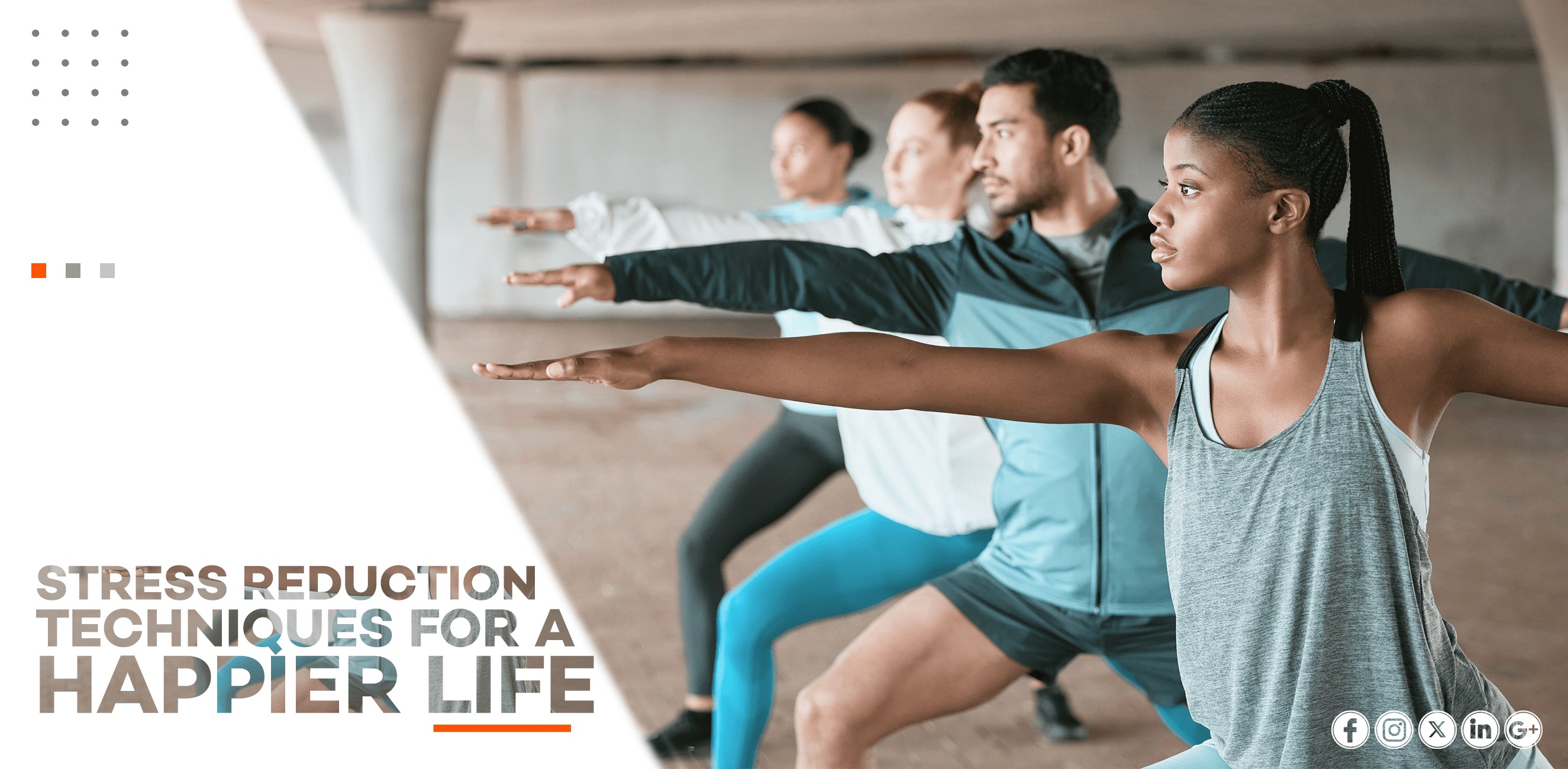
With its roots in ancient traditions, yoga offers a holistic approach to stress relief for a happier life. It combines physical postures (asanas), breathing activities (pranayama), and meditation (dhyana) to promote a state of balance and tranquillity. Regular yoga practice not only enhances physical flexibility and strength but also significantly impacts mental health and wellbeing. It aids in reducing symptoms of anxiety and depression, boosts mood, and promotes an overall sense of health and wellbeing. The mindfulness aspect of yoga encourages living in the present moment, helping to alleviate worries and stress.
MINDFULNESS MEDITATION
Mindfulness meditation is a stress reduction technique focused on cultivating awareness of the present moment. By observing thoughts and sensations without judgment, mindfulness meditation helps detach from stressful stimuli and gain a more transparent, calmer perspective. This practice has been shown to reduce stress, improve attention, and increase emotional regulation. Regular mindfulness meditation can transform one’s approach to life, leading to greater inner peace and enhanced life satisfaction.
LIFESTYLE CHOICES FOR STRESS REDUCTION
Incorporating healthy lifestyle choices is critical in the fight against stress. This includes maintaining a balanced diet rich in nutrients, ensuring adequate sleep, and limiting the intake of stimulants like caffeine and alcohol. These choices not only support the body’s physiological response to stress but also enhance overall health and wellbeing. Adequate hydration, balanced nutrition, and sufficient rest are foundational elements that enable the body to cope more effectively with stressors.
SOCIAL SUPPORT IN ALLEVIATING STRESS
The role of social support in stress management cannot be overstated. Building and nurturing relationships with friends, family, and community members provides a vital support network. This emotional support can help buffer the impact of stress, providing a sense of belonging, understanding, and shared experience. Engaging in social activities, seeking support when needed, and offering support to others are all part of a healthy strategy to manage stress and improve overall life satisfaction.
TIME MANAGEMENT
Effective time management is crucial in mitigating stress. By organising and prioritising tasks, setting achievable goals, and avoiding procrastination, individuals can reduce feeling exhausted and increase productivity. Time management skills, such as planning, delegating, and setting boundaries, are essential in maintaining a healthy work-life balance, reducing work-related stress, and ensuring time for relaxation and self-care.
CONCLUSION TO STRESS REDUCTION TECHNIQUES FOR A HAPPIER LIFE
Incorporating stress reduction techniques for a happier life, like deep breathing, yoga, mindfulness meditation, physical activity, healthy lifestyle choices, social support, and effective time management, is vital to enhancing mental health and wellbeing and overall life satisfaction. When practised consistently, these strategies significantly improve one’s ability to manage stress, promoting a healthier, more balanced, and happier life. Embracing these practices offers a pathway to greater peace, resilience, and contentment.