
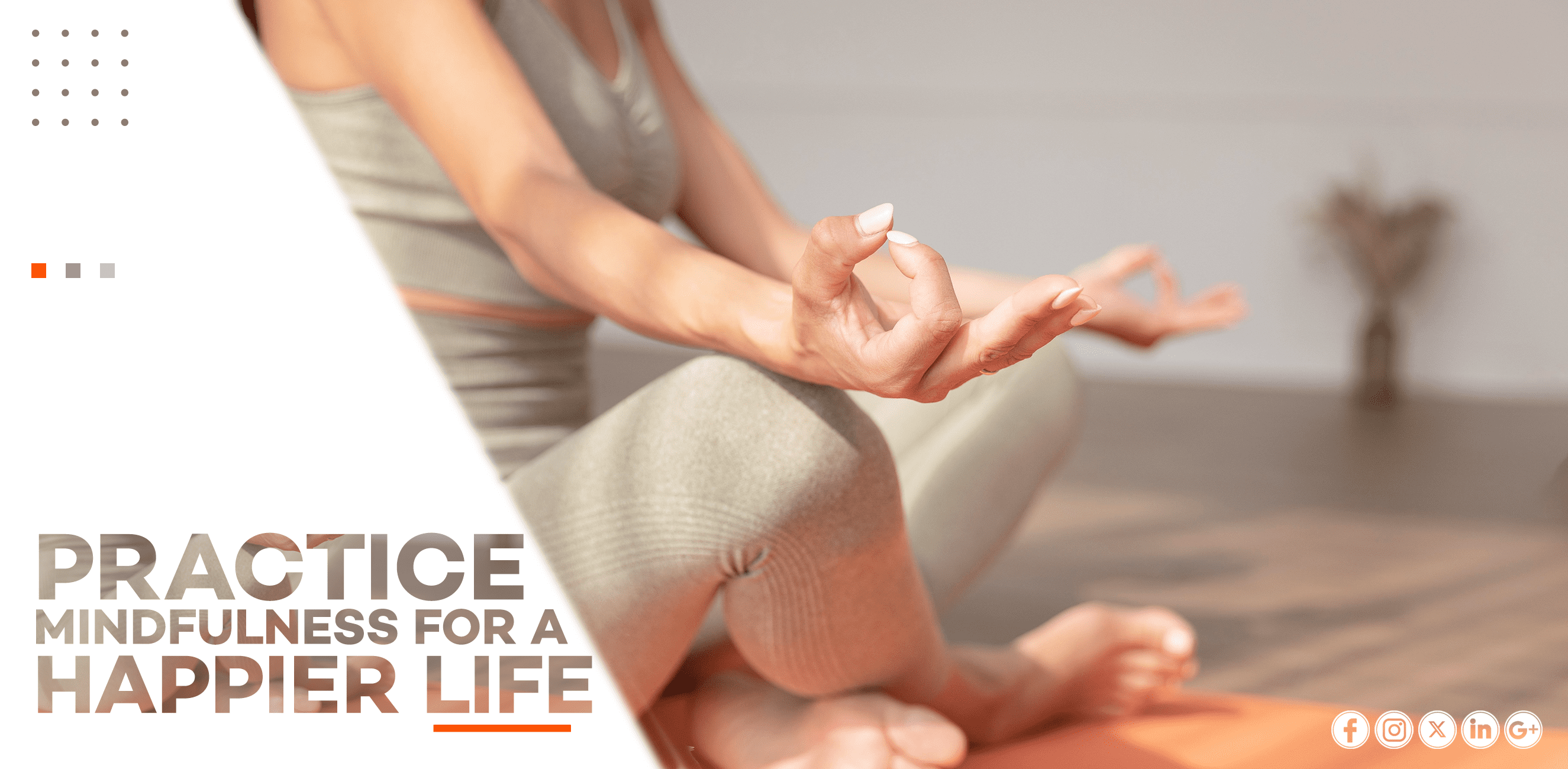
INTRODUCTION TO PRACTICE MINDFULNESS FOR A HAPPIER LIFE
In the quest for a happier and healthier life, meditation and mindfulness practice stand as a beacon of hope and transformation. These ancient practices, rooted in the art of present-moment awareness and non-judgmental observation, offer more than just stress relief. Moreover, they enhance mental focus, emotional balance, and overall health and wellbeing. Spanning over 998 words, this comprehensive exploration delves into the many-sided benefits of mindfulness practices for a happier life, highlighting their significance in cultivating a balanced and happy life.
STRESS REDUCTION THROUGH MINDFULNESS PRACTICE
Mindfulness practice for a happier life, backed by a growing body of scientific research, has emerged as a powerful antidote to stress. It works by activating the parasympathetic nervous system, which slows down the heart rate, lowers blood pressure, and calms the body and mind. Furthermore, regular mindfulness practice has been shown to decrease cortisol levels, a primary stress hormone, thereby mitigating the effects of chronic stress. Thus, this stress reduction enhances mental peace and brings about a sense of physical ease and relaxation.
BOOSTING COGNITION THROUGH MEDITATION
Meditation’s role in enhancing cognitive functions is increasingly recognised in scientific circles. Regular practice improves the brain’s ability to process information, enhances concentration, and boosts memory. It leads to structural changes in the brain, including increased grey matter density in areas associated with learning, memory, and emotion regulation. These neurological benefits translate into practical advantages, e.g. increased problem-solving skills, better decision-making, and increased productivity and creativity.
EMOTIONAL BALANCE WITH MINDFULNESS PRACTICE
Mindfulness practice and meditation for a happier life promote emotional health and wellbeing by encouraging deep self-awareness and emotional regulation. Practitioners learn to observe their emotions without being overcome, enabling a balanced and measured response to life’s challenges. This emotional intelligence nurtures more deep empathy and understanding in relationships, enhancing interpersonal dynamics and personal contentment.
PHYSICAL HEALTH FROM MINDFULNESS PRACTICES
The influence of mindfulness and meditation extends to various aspects of physical health and wellbeing. These practices have been linked with improved cardiovascular health and wellbeing, reduced chronic pain, and a more muscular immune system. The relaxation response triggered by meditation helps regulate blood pressure and improve sleep patterns, which are essential for overall physical health and wellbeing strength.
BALANCED LIFE THROUGH MINDFULNESS PRACTICES
Embracing mindfulness leads to a lifestyle that prioritises balance, inner peace, and satisfaction. It encourages an appreciation for the present moment and promotes a connection with one’s environment. This mindful approach not only reduces the need for external validation but also material success, paving the way for a more fulfilling and less stressful existence.
MINDFULNESS IN EVERYDAY LIFE
Incorporating mindfulness into daily routines can be simple yet deeply effective. Generally, techniques like conscious breathing, mindful walking, or practising gratitude can easily be woven into everyday activities. Additionally, these practices help in staying anchored in the present, enhancing the quality of both personal and professional life. Mindful eating, for instance, transforms not only the simple act of eating into a nourishing but also enjoyable experience, promoting better dietary habits and overall health and wellbeing.
NAVIGATING MINDFULNESS CHALLENGES
Beginning and maintaining consistent mindfulness or meditation can pose challenges, including time constraints, distractions, or a wandering mind. Tackling these challenges involves setting realistic expectations, creating a quiet and dedicated space for practice, and being patient and persistent. Additionally, joining mindfulness groups or seeking guidance from experienced practitioners can also provide motivation and support.
CONCLUSION – PRACTICE MINDFULNESS FOR A HAPPIER LIFE
The journey of mindfulness and meditation is an improving path towards a more balanced, focused, and happy life. Its wide-ranging benefits encompass stress reduction, enhanced mental clarity, emotional stability, and improved physical health and wellbeing. Finally, by embracing and integrating mindfulness and meditation into daily life, one can experience a deep shift in overall health and wellbeing, leading to a life marked by tranquillity, fulfilment, and happiness.